-
Mail Support mail@eastafricatourstravel.com
Park Area
Peak Season
Bird Species
Entry Fee Per Day
Year-Round
Kenya’s Largest Wildlife Sanctuary
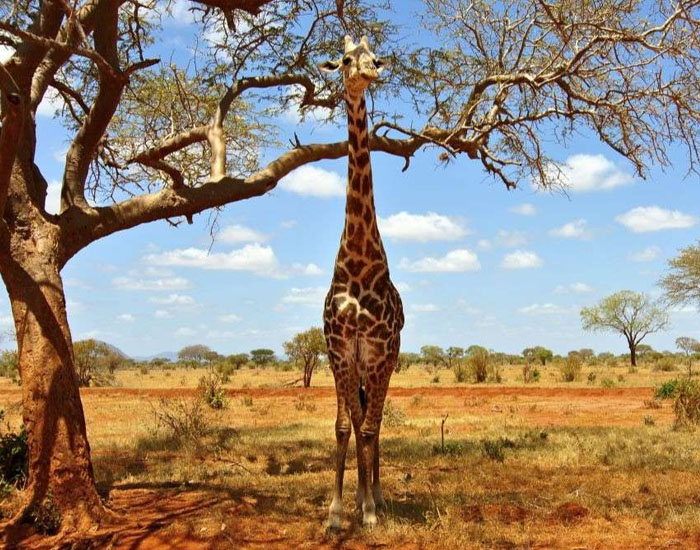
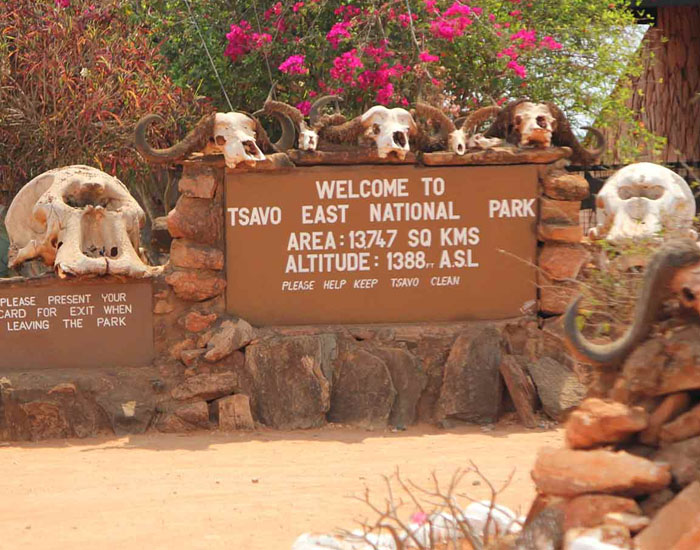
Tsavo East National Park spans over 13,700 square kilometers, offering unmatched wilderness and iconic red elephants. Conveniently situated midway between Nairobi and the Kenyan coast, it provides travelers with a seamless combination of an immersive wildlife safari and a relaxing beach getaway
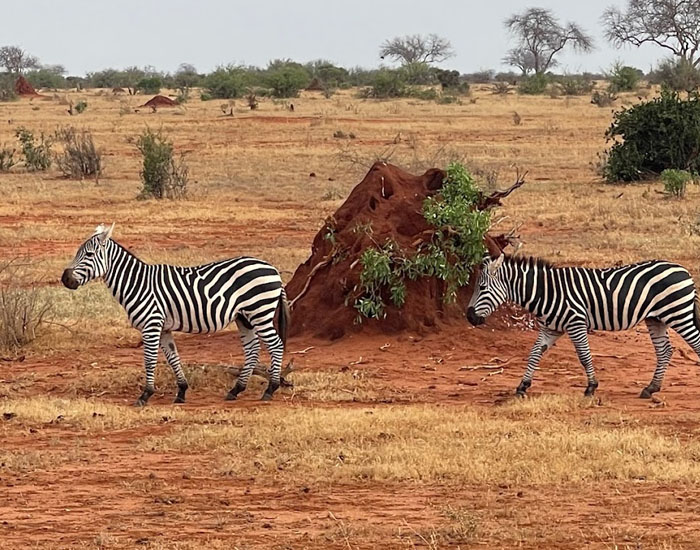
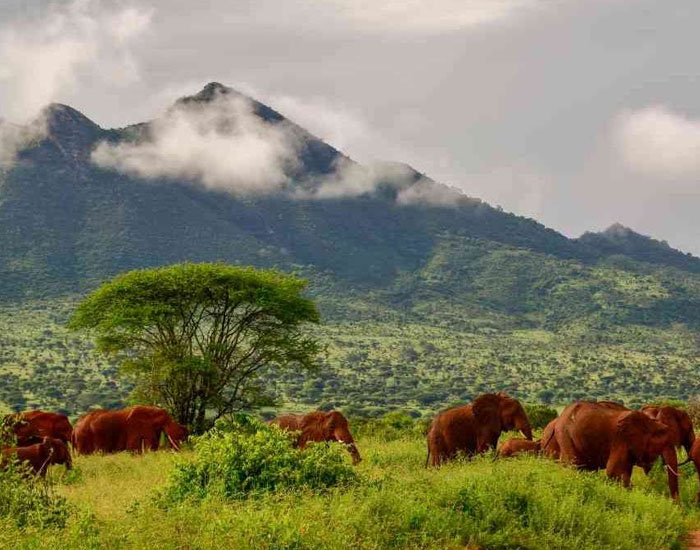
Established in April 1948, Tsavo East National Park is one of the oldest and largest protected areas in Kenya, covering 13,747 square kilometers. Located in Taita-Taveta County, it is globally famous for its red dust-covered elephants, massive maneless lions, and the Yatta Plateau. The name Tsavo comes from the river that once marked the boundary between the lands of the Maasai and the Akamba people. The area entered global consciousness in 1898 when two maneless male lions killed and ate an estimated 135 railway workers during the construction of the Uganda Railway.
Getting to Tsavo East National Park
Tsavo East National Park has six primary entry gates, strategically positioned depending on your point of departure. All gates are open daily from 6:30 AM to 7:00 PM and require cashless payments for entry fees.
| Buchuma Gate: | Located on the southeastern boundary, this is the most popular and convenient gate for travelers coming from Mombasa or the coast. It is about 110 km from Mombasa along the Nairobi-Mombasa highway. |
| Voi Gate | Positioned just 6 km north of Voi town, this serves as the main administrative access point from the Nairobi-Mombasa highway. It is 156 km from Mombasa. |
| Manyani Gate | Located further west along the A109 highway, this gate is ideal for travelers heading into the southern and central sections of the park. |
| Mtito Andei Gate | Found at the far northern edge of the park (233 km south of Nairobi), this is the primary entrance for visitors starting their journey from Nairobi. |
| Ithumba Gate | Located in the remote northern wilderness, it is accessed via Kibwezi. A 4WD vehicle and advance booking with the KWS warden are required to use this entry point. |
| Category | Adult | Child / Student |
| East African Citizens | KES 1,000 | KES 500 |
| Kenyan Residents | KES 1,350 | KES 675 |
| African Citizens (Non-EAC) | USD 40 | USD 20 |
| Non-Residents (International) | USD 80 | USD 40 |
The best time to visit Tsavo East National Park is during the dry seasons from July to October and January to February. During these months, vegetation is sparse, and animals congregate near the Galana River, making wildlife viewing exceptional. Tsavo East rewards visitors in every season, but timing plays a key role in shaping the nature of your experience. Here is a seasonal breakdown to help you plan.
This long dry season is the absolute best time for general wildlife viewing. Animals gather around remaining water sources, and the lack of foliage makes spotting predators much easier. The best time to visit Tsavo East National Park for wildlife. Vegetation thins out, water sources concentrate animals, and dusty tracks make for photogenic game drives in the golden afternoon light. Animals congregate around the Galana River and Aruba Dam in large numbers.
A short dry spell brings stable weather and is an incredible time to see elephants. February tends to be the hottest month. An excellent and quieter window with good wildlife visibility and lower park traffic than the main dry season. Predator sightings are outstanding during this period.
The “long rains” transform the park into a lush, green paradise with fewer crowds. However, road conditions can get muddy, and animals disperse, making them harder to find. Long rains bring a lush, photogenic transformation. Wildlife disperses across the park but birding is exceptional, with 500-plus species active around the wetlands and river corridors. Rates drop significantly, and the park takes on a moody, cinematic quality. Ideal for photographers and birders who prefer solitude at a lower cost.
A transitional month with occasional showers, excellent for birdwatchers as migratory birds arrive
rugged, back-to-basics expedition
Experiences to Expect on Safari
A 4WD vehicle is strongly recommended, particularly after rains. Tsavo East is one of Kenya’s most self-drive-friendly parks. The road network is extensive, signage is reasonable, and wildlife density is high enough that independent exploration is genuinely rewarding.
Morning drives offer the best predator activity; evening drives frequently yield dramatic red-dust light across the savannah. Game drives are the heartbeat of any Tsavo East safari. The park’s open plains and well-maintained tracks make for excellent wildlife viewing — particularly around Aruba Dam, the Voi River Circuit, and Kanderi Swamp.
A full-day game drive from Diani or Mombasa typically departs at dawn, enters through Bachuma Gate, and allows six to eight hours of wildlife viewing before returning by evening. It is an ideal option for beach-holiday travelers who want a genuine wildlife experience without giving up a full day at sea.
Public campsites at Voi and several special campsites across the park. Camping here is a genuinely wild experience — nights punctuated by hyena calls and the distant rumble of elephants. Facilities at public sites are basic; special campsites are exclusive and unfenced; For travellers who prefer to sleep under canvas in the bush.
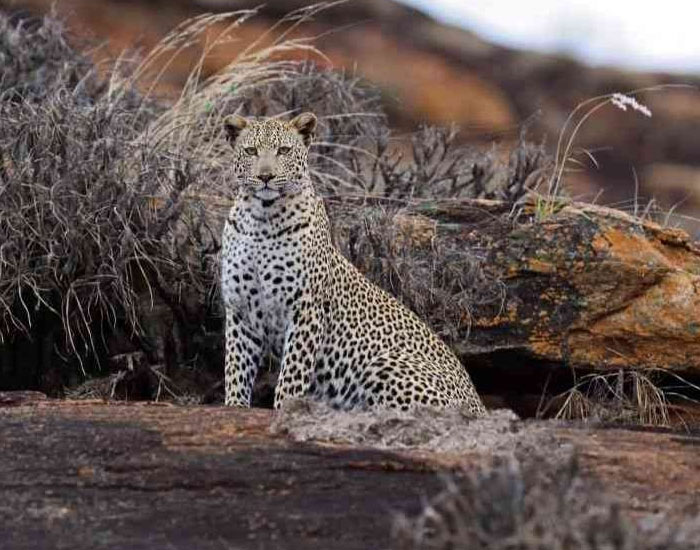
With a licensed operator and prior KWS approval, night drives reveal a hidden world most visitors never encounter. Aardvarks, honey badgers, civets, genets, and leopards on the prowl become accessible after dark with specialist spotting equipment.
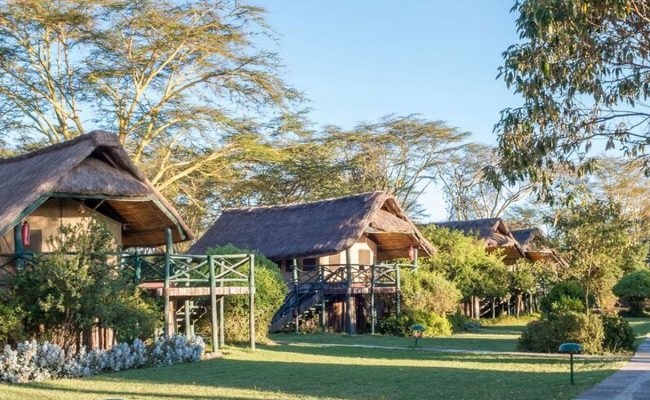
Choosing where to stay in Tsavo East depends on your budget and what kind of safari experience you are looking for. The best options range from mid-range to luxury tented camps and well-positioned lodges, many of which provide great access to the park’s main gates and watering holes
| Property | Distance from Gate |
|---|---|
| Satao Tented Camp | An unfenced, deluxe camp in the heart of the park offering an authentic bush experience with spacious tents and close wildlife encounters |
| Galdessa Camp | Situated along the banks of the Galana River, this is a premium, eco-friendly option with classic safari tents and frequent sightings of hippos and elephants. |
| Ithumba Camp | An exclusive, high-end camp offering luxury tents with views of the Yatta Plateau, highly sought after for its guided safaris and intimate wildlife encounters. |
| Property | Distance from Gate |
|---|---|
| Ashnil Aruba Lodge | Located near the Aruba Dam (a major magnet for wildlife during the dry season), this lodge offers comfortable en-suite rooms and a swimming pool. |
| Voi Safari Lodge | Perched high on a cliff, it is famous for its sweeping panoramas of the red plains and features a rock-carved swimming pool and an underground bunker for safe, up-close elephant viewing. |
| Manyatta Camp | Situated on the park boundary, this camp features both river-facing and park-facing tents with modern amenities including a swimming pool and safari spa. |
| Property | Distance from Gate |
|---|---|
| Sentrim Tsavo Lodge | Known for its comfortable, mid-range to budget-friendly tents and central location. |
| Ndololo Camp | A classic budget-tented camp located inside the park, perfect for those wanting to be immersed in nature. |
| Tausa Tsavo Eco Lodge | A great budget alternative located just outside the Voi Gate, offering quiet terrace views and good local hospitality. |
landscape & wildlife
Tsavo East Animals and Ecosystem
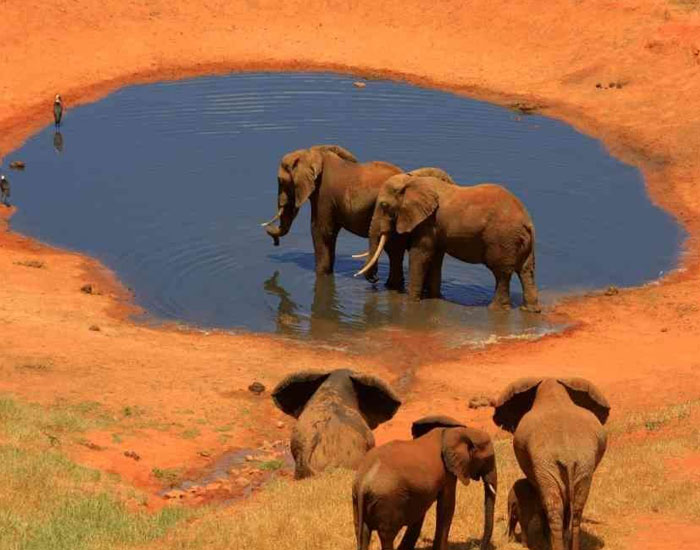
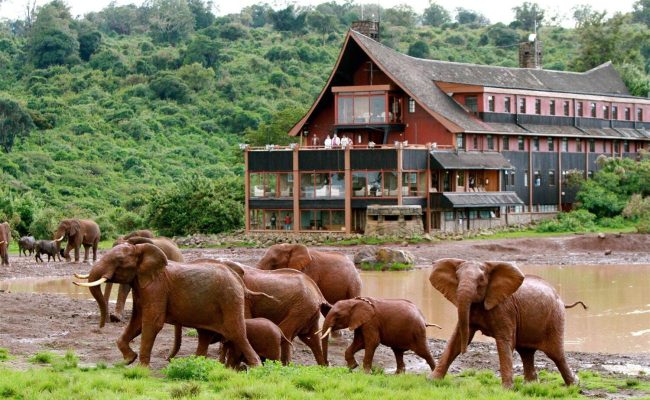
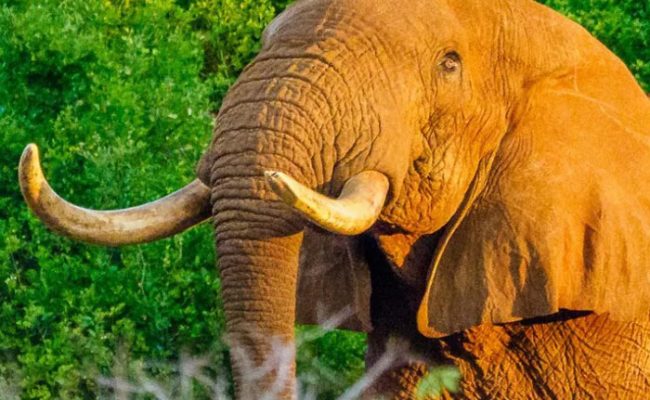
Home to one of Africa’s largest elephant populations, and these are no ordinary elephants. The red elephants of Tsavo are famous for their distinctive rust-red colouring, caused by dust-bathing in the park’s iron-rich volcanic soil. Herds of 50 or more are commonly spotted near the Galana River and Aruba Dam, making these encounters among the most spectacular in East Africa.
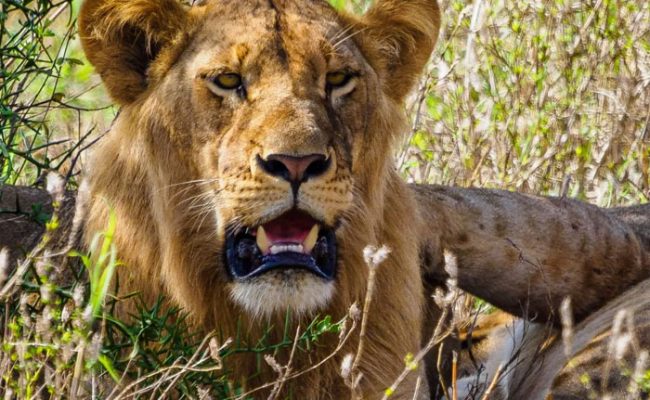
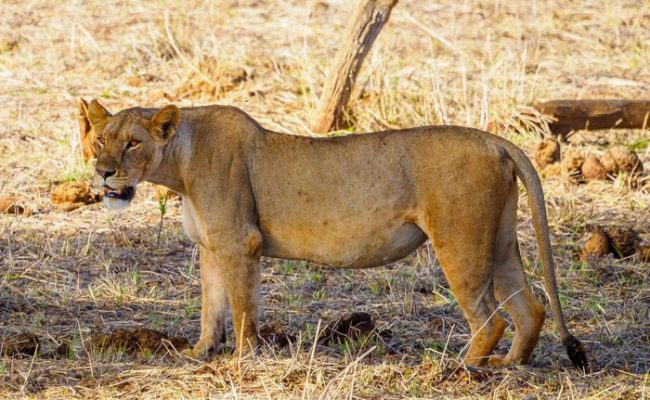
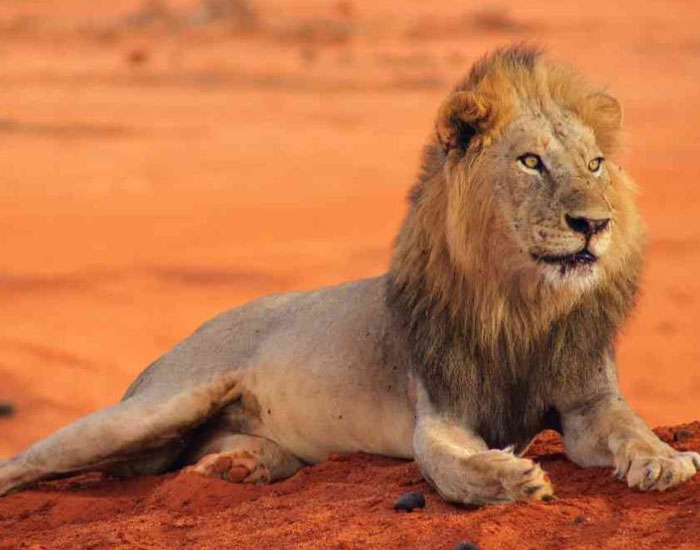
Tsavo lions carry a legendary reputation. The infamous Man-Eaters of Tsavo — a pair of maneless male lions that terrorized railway workers in 1898 — put this wilderness on the global map. Today, Tsavo lions are notably large and often maneless, perfectly adapted to the harsh semi-arid environment. Sightings are most reliable during the dry season when lions concentrate near permanent water sources.
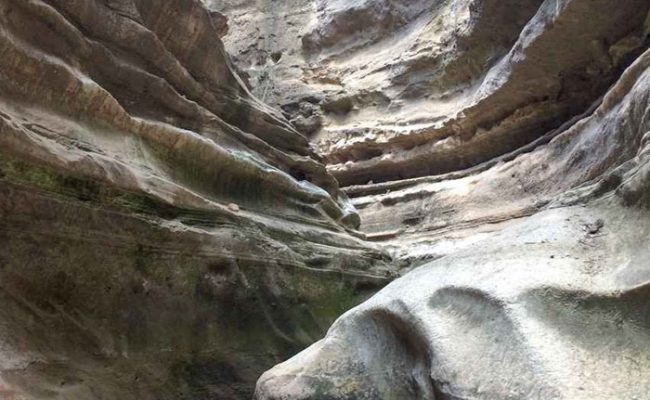
The Galana River is the park’s dominant geographical and ecological feature, running east to west through the southern sector and drawing wildlife year-round. The Yatta Plateau — the world’s longest lava flow at over 300 kilometres — runs along the park’s western boundary and creates a dramatic elevated backdrop. Aruba Dam, a man-made reservoir on the Voi River, acts as a magnet for elephants, buffalo, hippo, and over 200 bird species.
Birding in Tsavo East National Park is spectacular, offering over 500 recorded species in a semi-arid landscape. Key avian highlights include the striking Somali Ostrich, Golden-breasted Starling, and the prehistoric-looking Vulturine Guineafowl. The best birding occurs from November to April, when Palearctic migrants arrive.
The Mara is extraordinary, It really is a place that stays with you long after you leave. Whether it's the sheer scale of the plains or that feeling of being right in the middle of the wild, there's a reason it's considered the crown jewel of African safaris.
+91 345 533 865
info@example.com
+91 345 533 865
Copyright 2025 Egens Lab | All Right Reserved.
Accepted Payment Methods :
A premier East African tour operator headquartered in Mombasa, Kenya, specializing in immersive, tailor-made wildlife and cultural experiences. We connect travelers directly to the region’s most iconic landscapes, seamlessly blending Kenya’s sweeping savannas with Tanzania’s rich biodiversity and pristine coastal beaches.
With an emphasis on flexible itineraries built around real-time wildlife conditions rather than rigid schedules, they offer everything from high-end luxury retreats to immersive camping expeditions.
+254 724 628 009
mail@eastafricatourstravel.com
+254 724 628 009
Copyright 2026 East Africa Tours Travel | Designed by Inspimate
Accepted Payment Methods :